A water seller records one work cycle among Glassmoon's ferries, courts, memorials, salvage crews, habitat keepers, and families of the dead.
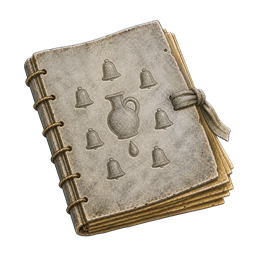
Glassmoon keeps bell hours instead of days. My cart opens at the first ferry bell and closes after the seventh bell of my work cycle. The moon does not become warmer, darker, or kinder while I am working. The bells tell us when one part of life ends and the next begins.
First bell: Ferry arrival. Passengers come through the pressure lock thirsty from station air and nervous about the black sky. I sell sealed cups beside the dock and remind newcomers to walk slowly. Glassmoon gravity turns an ordinary hurried step into a public performance.
Mourners usually ask where to buy candles before they ask where to sleep. Salvage workers ask whether the outer routes are open. Record clerks ask for tea water and pretend it is different from everyone else's water.
Second bell: Court opening. The Marrowglass Record Court begins its first hearings. Families waiting on death records, inheritance decisions, and recovery contracts fill the avenue. I carry a smaller tank inside because nobody wants to lose their place in the queue.
I do not ask which side of a family dispute is correct. I mark each cup before handing it across. More than one hearing has been delayed because relatives assumed the other person had taken their water on purpose.
Third bell: Memorial lighting. Grave-lights are checked and candles replaced. Some families bring their own water to clean memorial glass. Others pay me to fill a basin and stand nearby while they work. A water seller learns when conversation helps and when the correct service is a full cup offered without a question.
Fourth bell: Salvage return. Crews come back carrying metal, stone, sealed boxes, and dust caught in every fold of their filter scarves. Water sold at the return lock costs the same as water sold at the dock. Exhaustion is not a reason to raise the price.
Crews trade news while their finds are inspected. Which crypt door shifted. Which route lost pressure. Where Duststep Hares crossed the memorial slabs. Which water seller has started thinning the stock. That last report travels fastest.
Fifth bell: Habitat round. I refill from a licensed condenser and visit the keepers tending Candlebark Cypress, Bell Sage, and the lichen beds. Plants make the domes feel less like containers, but every leaf adds another entry to the water account. The keepers can tell you the health of a habitat by the taste of its recycled water before any gauge shows a fault.
Sixth bell: Family meal. The court queue empties into food stalls. I heat a pot behind the cart and eat with whoever has not found a table. Good news, bad news, and no decision at all produce the same need for supper.
Seventh bell: Ferry departure. Some mourners return to Refrain. Some stay for another hearing or another bell of remembrance. I sell the last sealed cups to the departing queue, drain the cart lines, clean the tank, and record the day's use.
Glassmoon is called the moon of the dead because so much work here concerns death. The workers, families, children, cooks, pilots, clerks, gardeners, and water sellers remain alive. We eat, argue, laugh at people learning the gravity, repair the domes, and open again at the next first bell.