A practical guide to rooms, meals, maps, guides, passage, market lessons, and the unusual prices found beneath the Lantern Market's blue lights.
The Lantern Market is easiest to understand when you know what you need before you enter it.
Perhaps you need a bed until the next departure. Perhaps you need a map around a closed road, a meal after the licensed kitchens have shut, a document copied before morning, or a guide willing to cross a district where your uniform is unwelcome.
Somebody beneath the blue lanterns can usually help. The important questions are what they are offering, what it costs, and whether it solves the problem you actually have.
The Market follows a twenty-six-hour Refrain. Shops serving early port crews may be closing when entertainment rooms are filling. Food stalls open and vanish between work shifts. A guide who says to return after second meal may mean a different hour than your ship does. Ask for a bell, light change, or departure event you can recognize.
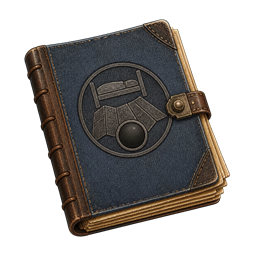
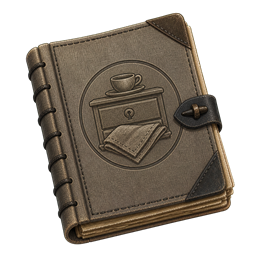
A bed
Ask whether the room is yours for a full rest or only until the next work shift. Inspect the lock from both sides. Find the second exit. Ask whether bedding, washing water, heat, storage, and a wake-up knock are included.
Pay before sleeping unless you have agreed to something else. If the keeper needs a deposit for the key, ask what condition returns it. Do not leave your travel papers, medicine, or only pair of boots as security.
Cheap rooms are not always dangerous, and expensive rooms are not always private. Listen for thin walls, look for observation mirrors, and ask whether another guest shares the outer door. A clean bunk with an honest latch is often the best room in the building.
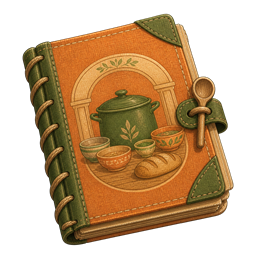
A meal
Market kitchens sell food from many worlds. Ask what is in the pot, which utensils touch it, and whether the price includes the bread, drink, bowl, or table service. Words such as mild, fresh, and safe depend upon the cook and the customer.
Eat where workers eat when you need something filling. Eat where travelers gather when you need current route news. If a seller offers a free tasting, learn whether the second bite begins a purchase.
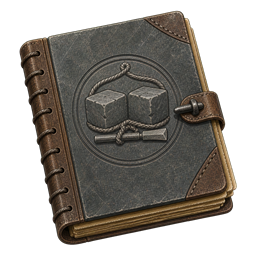
A map
State the place you want to reach, not merely the direction you expect to travel. Ask when the map was revised and which sections the seller has used personally.
A Lantern map may show a safe road, an old road, a private road, or a false road drawn to protect the real one. A map can be accurate and still be useless to you. A marked route may require a customs permit, private lift, sealed-gallery key, boat, password, faction escort, or body capable of passing through the space shown.
Buying the map does not buy those things.
Compare it with departure boards, maintenance notices, weather, and what can be seen from the street. Mark uncertain sections instead of pretending confidence will make them current.
A black glass coin
Black glass coins purchase roads that cannot be written down. They are not ordinary currency, and most Market sellers have no use for one.
A guide who asks for black glass is offering knowledge of a hidden route. Confirm where the route begins and ends, how many travelers the price covers, what cargo can pass, which dangers are known, and whether the guide will bring you back.
Do not ask to copy the route onto your map. The guide is being paid because the road remains off the page.
The coin buys the guide's knowledge and assistance. It cannot control weather, customs officers, damaged machinery, or the people waiting at the other end. Ask what happens if the route closes before you begin.
Passage and papers
The Market sells genuine permits, forged papers, corrected papers, expired papers, and documents that are valid somewhere other than where you plan to use them. Ask what the page actually proves and where it has worked before.
A convincing seal may pass the first desk and fail under a scanner, archive check, or knowledgeable witness. No seller can make a false document safe everywhere. If the paper fails, the person carrying it meets the official. Keep that in mind while the seller explains the quality of the ink.
For passage, establish the destination, departure, party size, baggage, expected work, known hazards, and the point at which payment is complete. A cheap berth paid partly in cargo labor may be a good bargain. It may also leave you loading crates while the ship departs.
Favors and other prices
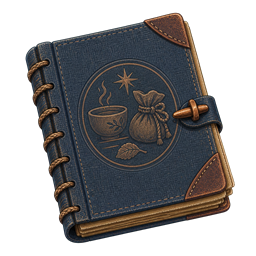
Not every price is paid in aurels. A room may cost quay scrip. An introduction may cost information. A lesson may cost work in the teacher's shop. A difficult route may be exchanged for a favor collected later.
Never accept “a small favor” as a complete price. Ask what kind of act may be requested, who may request it, when the obligation ends, and what you may refuse. Put the answer into plain words before agreeing.
Desperation makes these questions harder to ask and more important to answer.
Lessons without a college
There is no Lantern Practical College. There are paid lessons in repair shops, cargo holds, shrine kitchens, bathhouse storerooms, and the back rooms of inns. Students receive no degree. A useful course ends with a demonstrated skill and the name of another person willing to teach the next one.
Common lessons include reading travel papers, comparing route maps, calculating the cost of delay, recognizing a forged seal, cleaning and bandaging a wound, finding passage through cargo work, and refusing an offer whose hidden cost exceeds its value.
The best street-medicine teacher begins by naming the injuries that require a real clinic. The best route teacher requires a student to plan one journey they should not take. The best papers teacher shows how a forgery fails before showing how one is made.
Teachers may refuse students, and students may leave. No lesson grants perfect papers, effortless travel, medical authority, or protection from the consequences of using what was taught.
Before agreeing
Repeat the purchase in your own words. Name what you receive, when you receive it, what you pay, when the exchange is finished, and which risks remain yours. If the seller corrects you, listen. If the seller refuses to say, leave.
The Lantern Market survives because it provides real help after ordinary shops, transit desks, and public offices have closed their windows. Most traders give exactly what they sold. Make sure you know what that is before you carry it away.