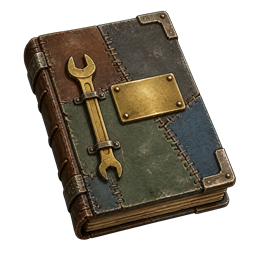
June Dultche's practical manual for restoring old cargo machinery when the assigned crew, correct paperwork, and one necessary tool are all missing.
Old freight machinery was built by somebody who expected it to move weight without killing the crew. Begin by finding the original safety decisions. Look for brakes, load paths, emergency releases, inspection plates, and the places a worker could stand while the machine moved.
Do not begin with the control panel. A lit panel can lie, and an unlit one may be connected to a live system elsewhere. Trace the power physically. Lock it out before putting a hand inside. If the machine has stored pressure, suspended weight, or a tensioned line, release or brace it first.
Turn the mechanism by hand when possible. A bearing, gear, or winch drum will often show the fault before powered motion hides it behind noise. Feel for a tight point, uneven resistance, heat, and movement where two fixed parts should meet. Clean the assembly before deciding that a part needs replacement.
Missing tools are a design problem, but not every substitute is acceptable. A bar may turn a seized shaft. It is not automatically a safe locking pin. A cargo strap may hold a cover. It should not support a suspended engine. Write down every substitution and replace it when the proper part becomes available.
Test without cargo first. Then use a load small enough to stop safely. Watch the frame, anchors, cable, brake, and power draw rather than admiring the part that just started moving. A restored hoist that tears itself out of the wall is not restored.
Authorization matters when a current owner, crew, or safety office can answer. Ask them. When the machine has been abandoned for generations and an immediate repair opens a route or removes a hazard, the decision belongs to the people accepting the risk. Record what was changed so the next crew does not have to discover it by accident.
Paperwork should follow the repair if it could not reasonably come first. Include the original fault, replaced parts, temporary work, new limits, test load, and anything still missing. Do not write “returned to service” when the machine is safe only for one use or one direction.
A working machine is evidence that the repair accomplished something. It is not evidence that every method used was safe or that the work is finished. Put the access plates back. Find the missing tool. If a boot is also missing, check beneath the cargo hoist before turning it again.