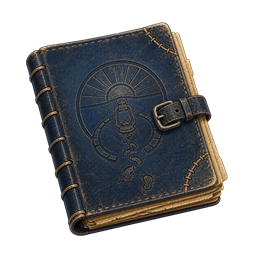
A dawn sermon for people beginning again after surviving what should have killed them.
Come outside before the first light reaches the roofs. Bring water, food, and the names of those who did not come with you. If you cannot stand, sit. If you cannot speak, another person may speak for you. Auralis does not require a survivor to look strong.
People invoke Auralis over newborns, maiden voyages, opened doors, and anyone who walked away from something that should have killed them. These beginnings are not the same. A child has no former life to recover. A ship leaves by choice and carries provisions for the journey. A survivor may begin with injuries, missing friends, unpaid debts, and nowhere safe to sleep.
This is why the dawn rite begins with an accounting.
Drink before you pray. Eat if your body will accept food. Check every wound, even the small ones. Name the people who are alive. Name the dead when their deaths are known. Name the missing as missing. Do not move a person from one list to another because uncertainty makes you uncomfortable.
Then state what is needed before the next light: medicine, shelter, transport, a witness, a message carried, a body recovered, or simply a place where sleep is possible. The people gathered for the rite divide the work among themselves. A beginning made by exhausted hands is still a beginning.
Some survivors believe they were spared because they were worthy. Some believe they were spared because Auralis has chosen a task for them. Some believe they survived by chance, good construction, another person's sacrifice, or a mistake in whatever tried to kill them. The shrine does not settle that question.
Survival proves only that a life continues. It does not prove virtue. It does not make the survivor wiser than the dead. It does not create a debt to the god, the shrine, the state, or the curious. No one earns authority over another person by claiming to know why that person lived.
The old dawn sermon tells survivors to face the light. This does not mean they must enjoy it. Some people greet the morning with gratitude. Others are angry to see it. Some feel nothing until many mornings have passed. Auralis receives all three without requiring a lie.
When the first light appears, wash your hands and face. The washing is not meant to remove the past. Water cannot make the dead return, erase an injury, or turn terror into a lesson. It marks the point at which you stop waiting for the disaster to finish and choose the next thing you can do.
That choice may be small. Take the medicine. Send the message. Correct the list. Open the door. Ask for help. Go back to bed. A beginning does not have to be grand to be real.
People who were not present will try to make a clean story from your survival. They will ask for the moment you found courage, the reason you were spared, and the wisdom you carried out. Tell them the truth if you wish. Tell them nothing if the telling belongs to you. Confusion is not a moral failure, and pain does not become useful because someone wants a lesson from it.
Auralis is the god of beginnings, not the god of pretending nothing came before. The first light shows the damage as clearly as it shows the road. See both. Carry what must be carried. Leave what can be left. Accept a hand when one is offered.
You are alive at the start of this day. For now, that is enough.