An appeal over whether the final impact that cracked Glassmoon occurred on the last bell of one date, the first bell of the next, or during an emergency interval assigned to neither.
The old impact register lists seven major strikes against Glassmoon. The seventh was followed by the catastrophe that fused one face of the moon into cracked dark glass. This appeal does not attempt to determine what caused the impacts. It concerns the date assigned to the final one.
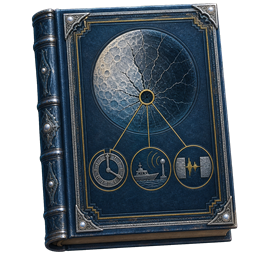
The volume has carried three official covers.
First cover: Last bell of the old date. The original memorial register placed the Seventh Impact at the final bell before the calendar changed. This date was based on a surface observatory clock that stopped at the first recorded shock.
Second cover: First bell of the new date. A later correction used the Refrain ferry log. The ferry received the observatory's last transmission after the date had changed at its home port. Marrowglass courts adopted the later date for several generations.
Third cover: The emergency interval. A second correction found that Glassmoon's bell network had stopped during the impacts and restarted from an emergency count. The bells rung during that period did not align with either the observatory clock or Refrain time. The Record Court assigned the Seventh Impact to an interval between the two dates.
Each choice changed legal outcomes. A person known to be alive after the sixth impact and absent after the seventh might be recorded as dying on different dates. That affected which marriage, birth, adoption, contract, or inheritance occurred first. It also changed interest, insurance, recovery rights, and the deadline for claims against estates opened after the cracking.
The present appeal concerns two family records that depend on opposite covers. Under the first date, a child was adopted before the adoptive parent died and inherits through that household. Under the second, the parent's death precedes the adoption and the inheritance passes to a blood relative. The emergency interval does not solve the dispute because the surviving adoption record uses an ordinary date rather than the interrupted bell count.
The observatory clock is direct physical evidence, but it stopped at the first shock, not the seventh. The ferry log is continuous and externally preserved, but it records when a transmission arrived rather than when the event occurred. The emergency bells were present on Glassmoon, but their restart sequence was created for evacuation and pressure control rather than court chronology.
Marrowglass historians have defended all three covers. Each correction cited better evidence than the one before it. Each also allowed some settled estates to reopen and others to remain closed. The house collected record and appeal fees under every version.
The appellate bench refuses to declare one cover universally correct. It orders each case to identify which clock its surviving documents used and what evidence connects that clock to the people involved. A ferry contract may properly use Refrain time. A surface shelter record may properly use the emergency bells. Neither should silently rewrite the other.
Public memorials will continue using the emergency interval because it acknowledges the failure of ordinary timekeeping during the cracking. The older covers remain bound with the appeal. They are not discarded, because every corrected date explains decisions made while that date was official.
The Seventh Impact occurred. Glassmoon cracked. The exact date depends on clocks that failed, disagreed, or measured different events. Correcting the record requires more than choosing the cleanest number and stamping it onto every life affected.