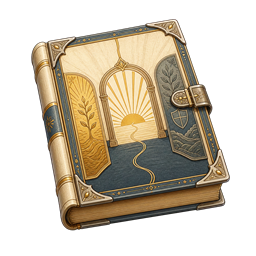
A disputed Auralis catechism claiming that a new beginning can replace a person's old identity, followed by a shrine warden's answer.
The Children of the First Note worship Auralis as the god of beginnings. They hold dawn rites for newborns, departing ships, and people who survived events that should have killed them. Other shrines perform similar rites. What separates the Children is their belief that a true beginning can end the identity and obligations that came before it.
Their rite is held at dawn. The person chooses a new name, and the Children enter it into a new record. Their catechism says this becomes the person's only valid identity. Debts, family claims, marriages, warrants, crimes, and other duties tied to the old name are treated as belonging to somebody who no longer exists. Earlier records are often destroyed after the rite.
This promise draws people in for understandable reasons. Some are escaping violent families. Some carry debts designed to last longer than they will. Some have an official name chosen by an owner, abusive parent, or government office that still uses it to control them. The Children provide shelter and papers that do not expose the old name. They have protected people whom ordinary courts sent back into danger.
In some cases, the rite succeeds where the law failed. An abuser cannot search the public record for a name that no longer appears there. A debt collector cannot seize wages under a registry entry that cannot be connected to the worker. A person can find housing or travel without presenting papers that reveal them to whoever is hunting them. These results are the reason the Children continue to find supporters.
The problem is that the same rule can protect the person who caused the harm. A killer cannot end a victim's claim by changing names at sunrise. One spouse cannot end a marriage by declaring that the person who signed it no longer exists. A new identity does not settle an unpaid wage, return stolen property, or answer a witness who recognizes the person behind the new papers.
Replacement birth records cause another dispute. The Children may issue one after a child is adopted, rescued, or brought into their care. Removing an abusive parent's name may protect the child. Destroying the original record may also prevent the child from learning where they came from, whether the adoption was agreed to, and whether safe relatives are still searching for them. The child has no part in the decision when they are too young to understand it.
The Children's record keepers decide whether a former life has ended. Their process has no outside review, and a person making the request may be the only witness they hear. Once the old documents are destroyed, a later court cannot easily tell the difference between sanctuary, fraud, and concealment. The teaching removes evidence that may be needed to protect the same person years later.
Shrine Networks use a different method. A shrine can witness a new name, keep an old name hidden from the public, refuse an order that would return someone to abuse, and record why those protections were granted. Restricted documents can be sealed instead of destroyed. The person seeking safety receives new papers without giving an abuser access to the old ones. Evidence of crimes, family ties, consent, and unpaid obligations remains available when it is genuinely needed.
Auralis is the god of beginnings, but beginning again does not require denying what happened. A survivor may need food, medicine, a bed, protection, and a name no enemy knows. A victim may still need an honest record of what the survivor did. The shrine warden's answer is simple: bless the new beginning, protect the person, and preserve the facts.